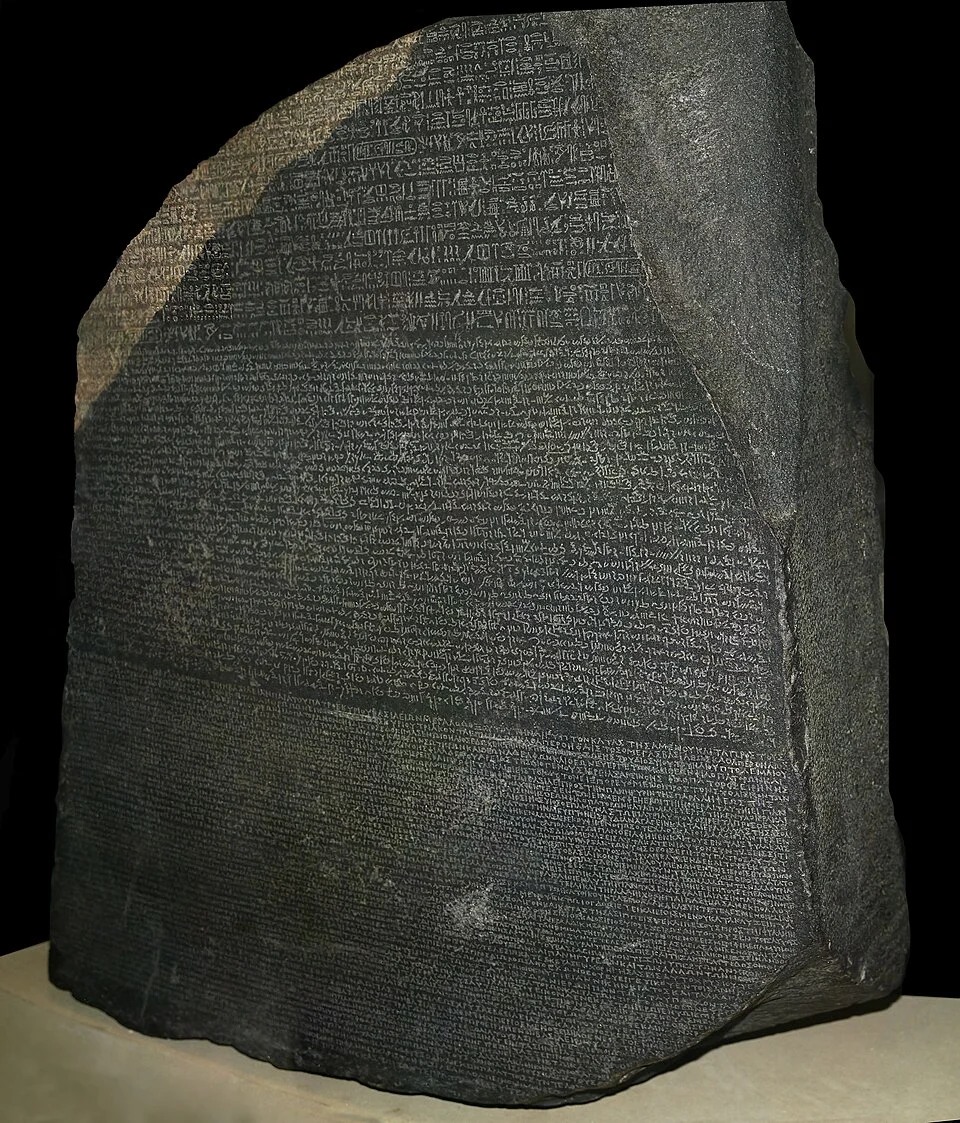
1,400 years of silence: the Rosetta Stone, EA 24
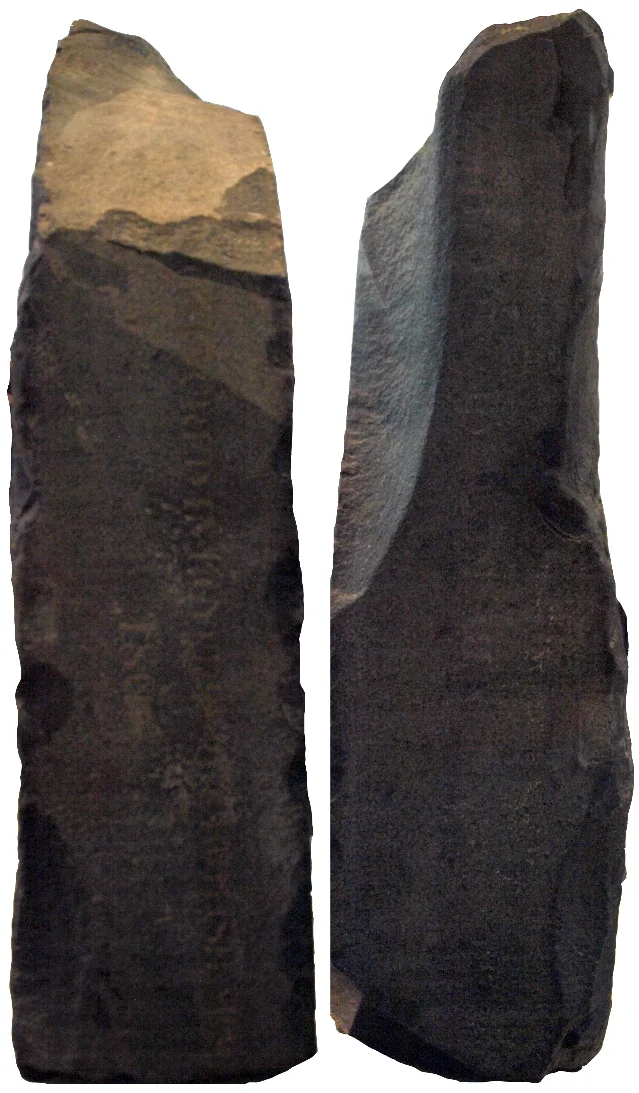
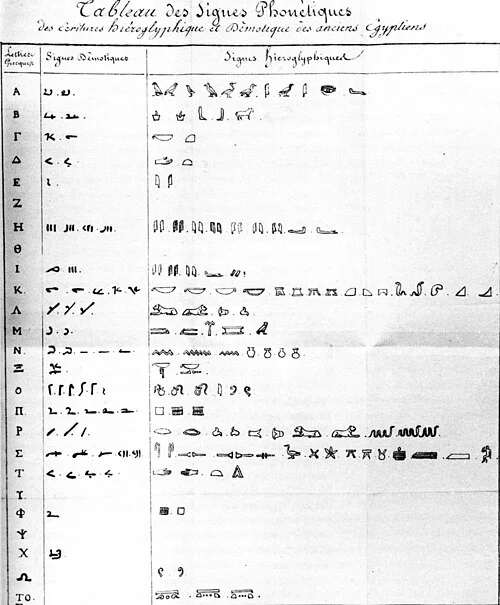
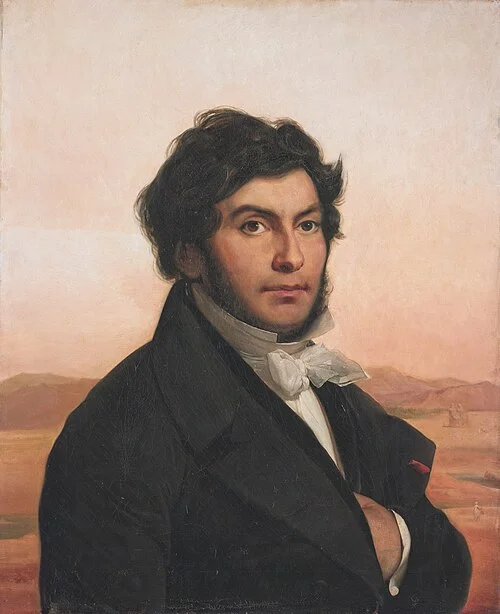
A granodiorite fragment pulled from a Mamluk fort in the Egyptian delta by French soldiers in 1799, taken by British soldiers in 1801, and placed in the British Museum in 1802 — the Rosetta Stone (EA 24) carries a routine priestly decree from 196 BCE in three scripts. That bureaucratic redundancy made it the instrument through which Jean-François Champollion ended 1,400 years of hieroglyphic silence on 14 September 1822. The article traces the full arc: the Memphis Decree as political transaction under a 12-year-old Ptolemaic king in crisis, discovery by Lieutenant Bouchard at Fort Julien, the bitter argument over Article 16 of the Capitulation of Alexandria, the decipherment race from de Sacy and Åkerblad through Thomas Young to Champollion's faint and the Lettre à M. Dacier, the Young–Champollion priority dispute, and the ongoing Egyptian repatriation demands since 2003.
A kingdom in trouble and the priests who ran it
"Of the dues and taxes existing in Egypt some he has cut and others he has abolished completely in order to cause the army and all other people to be happy in his time as Pharaoh." 2
Fort Julien, July 1799
The trophy and the argument
What the stone actually says
The race to read it
September 14, 1822
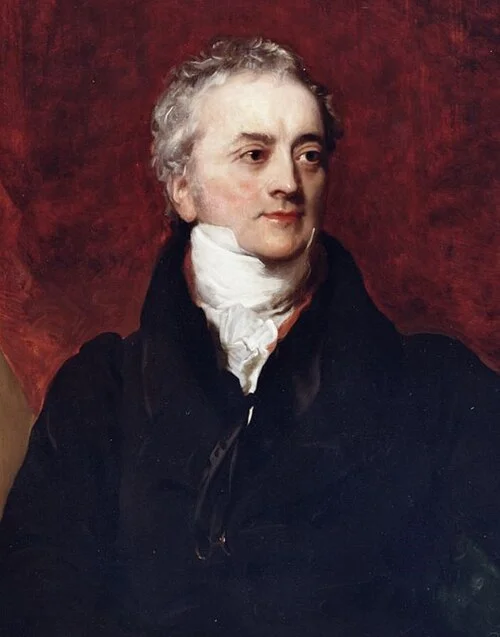
What Young said afterward, and what it means
Where it stands now
References
- 1Rosetta Stone — Wikipedia
- 2Rosetta Stone decree — Wikipedia
- 3ARCE: The Rosetta Stone — Unlocking the Ancient Egyptian Language
- 4Fondation Napoléon: The Rosetta Stone — A Journey from Alexandria to London
- 5Fondation Napoléon: The Rosetta Stone — A Journey from Alexandria to London
- 6Decipherment of ancient Egyptian scripts — Wikipedia
- 7Thomas Young (scientist) — Wikipedia
- 8Jean-François Champollion — Wikipedia
- 9BBC Culture: The Rosetta Stone — The real ancient codebreakers
Add more perspectives or context around this Drop.